
Five checks, in order
What is actually coming
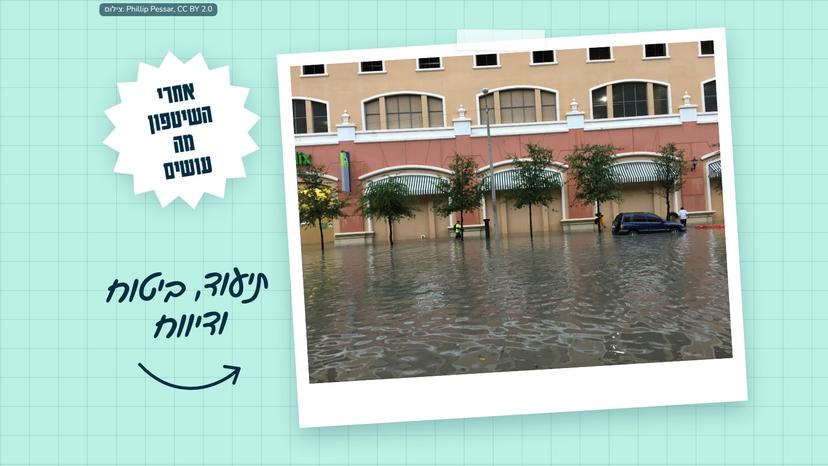
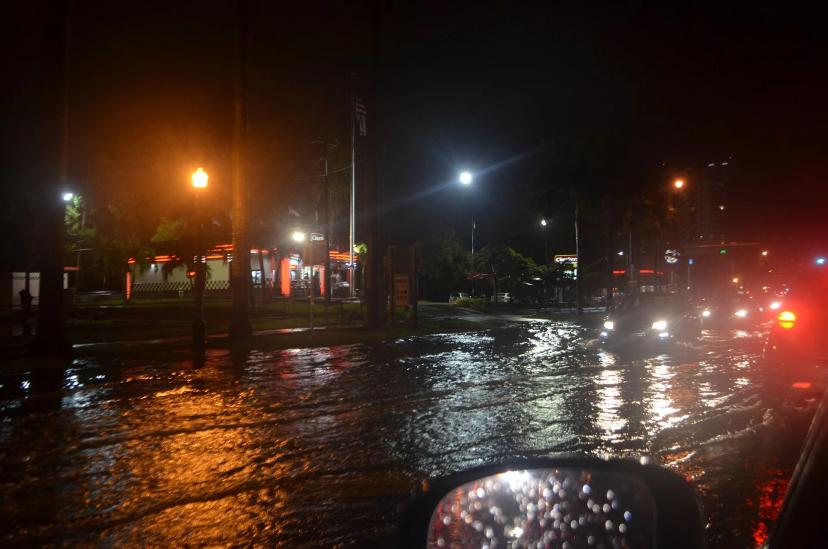
Sunday morning, the forecast open on your phone, and the only question that matters is where you parked. (In Miami even light rain cancels plans, so it is easy to picture what 4 inches does.) First, what is not happening: the NHC does not expect a tropical system to form in the next seven days, per its October 25 outlook. What is coming, per NBC 6: 2 to 4 inches of rain from this weekend into early next week, locally more, gusts over 40 mph (strongest Sunday), and a full moon at 12:11 a.m. on Monday, October 26. The king tide is predicted to peak Tuesday, October 27. One detail is easy to miss. Northeast winds push water toward the coast and can lift levels above the prediction, and rain drains slowly when the canals are already high. NBC 6 warns that Sunday or Monday could bring bigger impacts than the peak itself. CBS Miami adds that a coastal flood advisory has been issued, and that the biggest concern is Monday and Tuesday.
The car: don't drive into water, even if it looks shallow
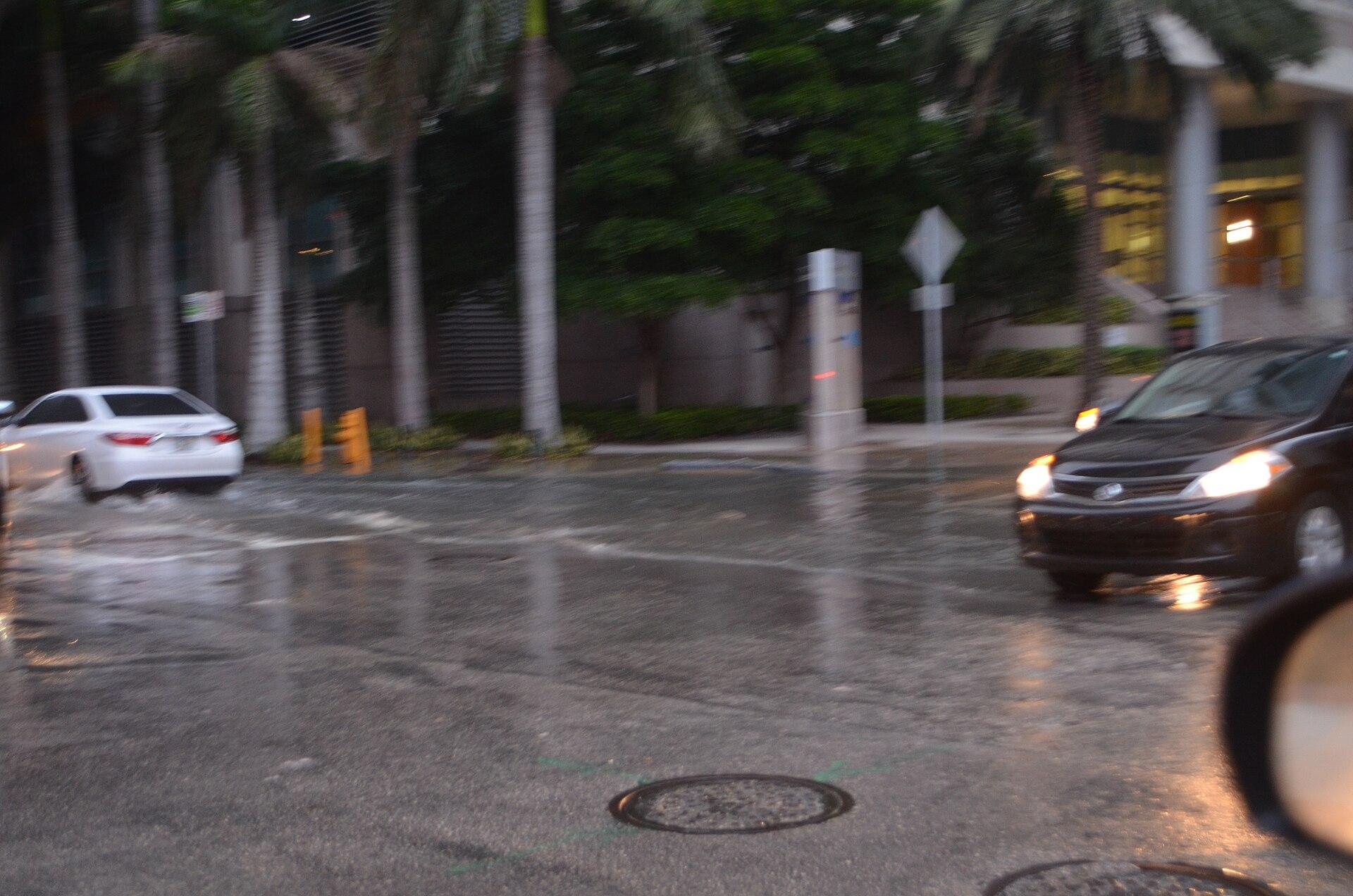
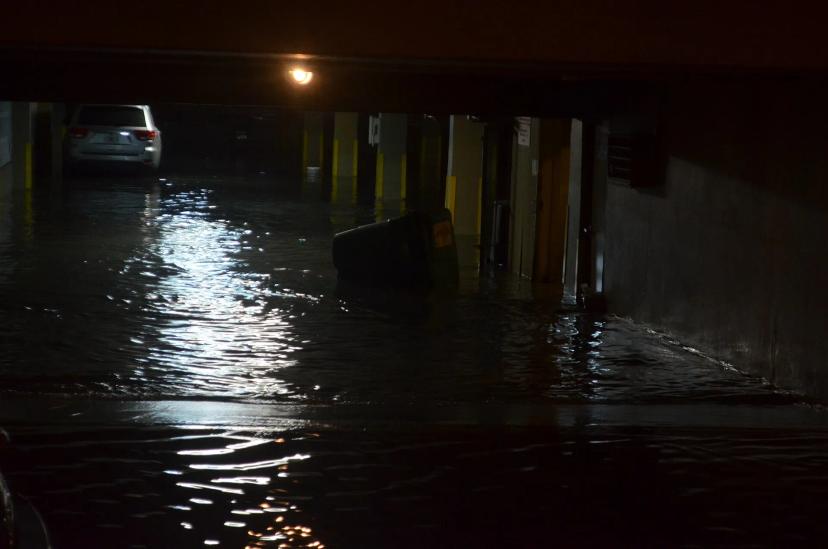
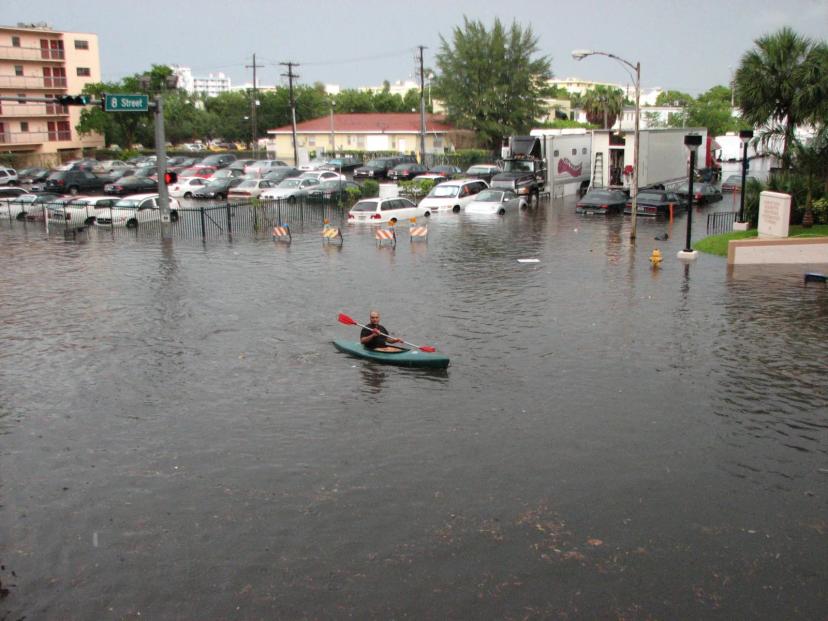
According to the National Weather Service, 6 inches of fast-moving water can knock an adult over, 12 inches can carry away most cars, and 2 feet can carry away SUVs and trucks. The service says it is never safe to drive or walk into floodwater. The first streets to flood are the low ones, mostly in the coastal cities. So if you have a choice, park on an upper level or a higher street, not on the lowest garage level. If you keep Shabbat, move the car before it begins, because afterward nobody will.
The building: ask management before the rain starts
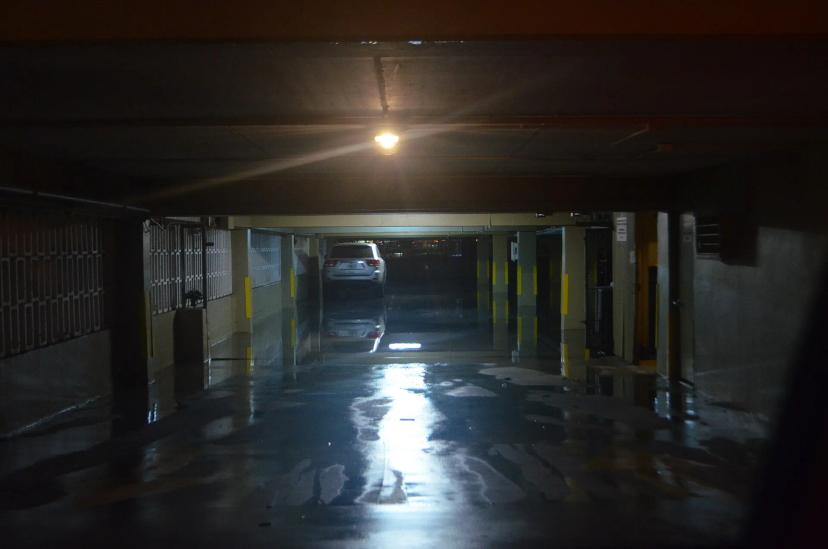
If you live on the ground floor or near the garage you know this one: the building is not you, and you don't know its plan. Three questions for the board or the management company, today and not on Tuesday:
- Where do residents park if the lower garage floods, and who announces it?
- Are there sandbags or a barrier at the entrance, and who sets them up?
- Who handles the lobby and elevators if water comes in, and what number do you call?
Flood insurance: what won't help this week, and what will
The unpleasant part first. According to FEMA, homeowners and renters insurance typically do not cover flood damage, and FloodSmart says the same about most homeowners policies. FEMA adds that most flood policies take effect only after a 30-day waiting period, with exceptions such as a policy bought alongside a mortgage. A policy bought because of this week's forecast won't cover this week. What you can do now: pull out your current policy and read what it says about water, then call your agent with two questions. Is flooding covered? And what does the building's policy carry versus what is on me? FEMA says renters can insure contents up to $100,000, and you can look at the federal program on FloodSmart. If it turns out you have no coverage, that is the to-do for after the storm, ahead of the next one.
Afterward: document, report, keep receipts
If water got in, safety comes first: don't touch anything electrical while the floor is wet, and don't go back into a flooded garage to save a car. Then photograph everything, the damage and what is no longer there. Report to management and to your insurer the same day, and keep every receipt for drying, cleaning and repairs. If the car was hit, photograph the waterline around it before you move it. Claim questions go to your agent. And anything about the building's responsibility is worth checking with an attorney, as always.
FAQ
What is a king tide?
An unusually high tide, usually around a full or new moon. When wind and rain join in, water levels can rise above the forecast.
When does the tide peak?
Per NBC 6, the peak is predicted for Tuesday, October 27. The report warns that Sunday or Monday could bring bigger impacts.
Can I buy flood insurance today and be covered this week?
No. Per FEMA, most policies take effect after 30 days. Check what you have now, and act ahead of the next one.
How much water does it take to sweep a car away?
Per the National Weather Service, 12 inches of rushing water carries away most cars. Six inches can knock an adult over.
Does the building's policy cover my unit?
It varies by building and there is no single answer. Ask management what the building carries, and your agent what is left on you.